
Lens
RC Lens — Jadwal, Hasil & Statistik Terbaru Ligue 1 2026
RC Lens can change the shape of the Ligue 1 table fast, so keeping up with their current form matters. If you're following Jadwal RC Lens Ligue 1 2026, this guide gives you a clear view of the club's latest fixtures, results, and key stats, with the focus kept on this season's performance, not club history.
Use it to track momentum, spot scoring trends, and see how Lens stacks up week to week. For quick access to updated match data, the Lens schedule and results page is a useful companion, and the details below will help you read the numbers with confidence.
RC Lens at a glance this Ligue 1 season
RC Lens enters this part of the Ligue 1 campaign with a clear but mixed picture. The team is close enough to the important places to keep hope alive, yet one rough stretch can change the mood quickly. That is what makes the Jadwal RC Lens Ligue 1 2026 story worth following week by week, because the table still has room to move in both directions.
Where RC Lens stands in the table
Lens is in the part of the standings where every result has weight. A win can pull the club closer to the European places, while a poor run can turn the focus toward protecting a top-half finish. The points trend matters here, because it shows whether the team is climbing with purpose or just holding its ground.
The bigger question is simple. Can Lens keep pace with the clubs above them, or will the gap become too wide? Right now, the campaign feels like a tight balance between Europe race pressure and basic table security. That makes the next run of fixtures more than routine league dates.
What has changed since the start of the season
The start of the season and the present phase do not feel the same. Lens has had stretches where the team looked sharp and controlled, then periods where the rhythm dropped and results became harder to find. That swing in form has shaped how supporters read every match.
A few things have changed the picture:
- Form has been less steady, so momentum has not lasted long enough.
- Tactical choices have shifted, especially when the team needs more control or more direct play.
- Squad rotation and injuries have affected how settled the side feels from week to week.
Those changes matter because they affect more than one match. They alter confidence, shape the bench, and decide whether Lens can keep pushing or has to reset. The season has felt like a series of small tests, not one long smooth run.
Why this season feels different for Lens fans
For Lens fans, this campaign carries a sharper edge. Expectations are not about surviving anymore, they are about staying in the conversation for something better. That raises the tension, because a club that can see Europe also feels the pain of dropped points more clearly.
The atmosphere around Bollaert tends to reflect that pressure. Good spells lift the whole place, but a slow start or a flat result can make the next match feel heavier than it should. Even fixtures that look manageable on paper now carry extra weight, which is why the Lens versus Nantes preview matters in the broader run-in.
This season feels different because the margin for error is thin. Lens is not chasing one big moment, it is trying to hold a level, and that is often harder over a long Ligue 1 campaign.
Jadwal RC Lens Ligue 1 2026 and the key fixtures ahead
The next stretch of the Jadwal RC Lens Ligue 1 2026 run matters because it can set the tone for the rest of the season. A good week at this point adds pressure on the teams above Lens, while a flat run can undo a lot of steady work.
What makes this block so important is the mix of match types. Some games are about control, some are about survival in tough away settings, and some can swing the mood of the table in one night. Lens do not need perfect football in every match, but they do need smart results in the right places.
The next five Ligue 1 matches to watch
The next five league fixtures matter less as a simple list and more as a sequence. The order can shape confidence, because one strong result often changes how the next game feels before kickoff.
- The first match in the run is the one that sets the pace. If Lens start well, they keep the pressure high and protect their place in the table. A win is the best result, but even a clean draw away from home can stop momentum from slipping.
- The second fixture often tells you whether the early form was real. This is where Lens need a repeat performance, not just a one-off spark. A home win is ideal here, especially if the opponent sits in the same half of the table.
- The third game is usually the hardest to manage, because fatigue and travel begin to matter. Lens need discipline here, especially if the opponent plays fast in transition. A point would keep the run stable, while a win would feel like a bonus.
- The fourth match is the one that can change the mood fast. If it comes against a direct rival, it becomes a six-point type of night. Those are the games where a narrow win matters more than style.
- The fifth fixture is often the one that reveals depth. By then, injuries, rotation, and form all matter more. Lens need to avoid a drop-off, because that is where promising runs can lose shape.
The best schedule blocks are the ones where Lens collect points without waiting for perfect conditions.
A useful way to read this run is simple: home games should bring control, away games should bring damage limitation, and direct rival meetings should bring full intensity. That balance matters more than any single scoreline.
Home games that could shape the season
Stade Bollaert-Delelis gives Lens a real edge, and the next home fixtures may decide how high the club can climb. The crowd is close, loud, and relentless, which makes even average performances feel heavier for the opponent. For Lens, that support is not just noise, it is a real push in tight moments.
Home games matter most when the opponent is one of these three types:
- Mid-table teams that are hard to break down
- Direct rivals fighting for the same points
- Pressing sides that leave space behind them
Those are the matches where Bollaert can tilt the game. Lens usually look more aggressive at home, and that matters when the team needs an early goal or a strong start after halftime. If the fixture list offers a chance to beat a direct rival in Lens, that game jumps straight to the top of the watch list.
The biggest home tests are rarely the glamour matches. Instead, they are the awkward ones against organized teams that want to slow the game down. Those games ask for patience, clean passing, and concentration on set pieces. When Lens get the first goal in those fixtures, the whole stadium turns into a pressure cooker for the visitor.
Away matches that may test the squad
Road games are where the schedule gets tricky. Travel, hostile crowds, and different pitch conditions all make life harder, and Lens have to handle that side of the calendar carefully. Away from home, the margin for error gets thin very fast.
The toughest trips are usually the ones against teams that press high or attack directly. Those sides can force mistakes early, which puts Lens on the back foot before the game settles. A controlled first half matters a lot in those matches, because chasing the game away from home often opens the door to a second goal against.
Lens also need to manage energy on the road. If the schedule stacks two demanding fixtures close together, rotation becomes important. A point away from home can be a good result in that situation, especially against a side with a strong home record. That kind of outcome keeps the points trend moving and protects the bigger goals later in the season.
The away match list also needs careful reading when Lens face teams in similar table positions. Those games can feel like small finals. Win them, and the season stays alive. Lose them, and the pressure grows fast.
Big dates, local rivals, and turning points
Some fixtures matter more because of the stakes around them, not just the opponent name. Rivalry matches, direct table battles, and games right before or after a tough run all deserve extra attention. They can change how supporters talk about the season in one weekend.
A local rivalry or a tense meeting with a nearby club often carries more bite than a normal league date. The tempo is higher, tackles come sooner, and one mistake can set the tone for the whole night. In those games, Lens need composure as much as energy.
That same logic applies to matches against clubs fighting for Europe. These are the real turning points in the Jadwal RC Lens Ligue 1 2026 run, because they affect both points and confidence. A win lifts Lens and weakens a rival at the same time. A loss does the opposite, which is why these games sit at the center of the schedule.
One useful example is the type of matchup Lens have seen in recent weeks against teams like Toulouse's Ligue 1 schedule and results. Those fixtures help frame how close many Ligue 1 games can be, where one clean finish or one poor defensive moment changes everything.
For Lens, the key dates ahead are not just about collecting points. They are about building a rhythm that lasts. If the team handles the home fixtures, stays compact on the road, and gets results in the direct battles, the season stays in a strong place.
Recent RC Lens results and what they say about the team
The latest run in the Jadwal RC Lens Ligue 1 2026 schedule shows a side with clear strengths, but also a few recurring gaps. Lens can start games with purpose, win stretches of the midfield, and create real pressure. Yet the results also show moments where control slips, usually when the tempo rises or the opponent stays patient.
That mix matters because it tells you more than the scoreline. A win, draw, or loss can look small on paper, but each one gives away a clue about how Lens is playing right now. The main patterns are easy to spot:
- Strong early phases that put pressure on the opponent
- Periods of wasteful finishing when chances don't turn into goals
- Defensive lapses under pressure, especially after transitions or set pieces
Most recent match results explained
Lens's latest league results suggest a team that is still competitive, but not yet fully stable. When the side gets on the front foot early, it often looks sharp and organized. When the game becomes open, the balance changes fast, and the result depends on whether Lens can keep its shape.
The wins in this kind of run usually point to one clear trait, Lens can set the tone. They press with energy, move the ball quickly through midfield, and force mistakes in good areas. That says the team has enough structure to control matches when the plan works.
Draws tell a different story. They often show that Lens are hard to beat, but not ruthless enough to finish the job. In those games, the team may have the better spells, yet still leave points behind because the final pass is late, the shot is blocked, or the tempo drops after halftime.
Losses are the clearest warning. They usually come when Lens lose control in key zones, especially after a turnover or a dead-ball situation. If the side spends too long chasing the game, the structure gets stretched and the back line has more to handle than it should.
The results point to a team that is organized, but still too dependent on clean execution in the final third and calm defending late in games.
That is why the recent results matter as a group, not just one by one. A strong start means Lens are ready to compete. A late concession, on the other hand, shows the team still has work to do in game management. Over a full Ligue 1 season, those small details add up fast.
What the results reveal about attacking form
Lens are creating enough moments to stay dangerous, and that is a good sign. The issue is less about getting into attacking positions and more about turning those positions into goals with regularity. The team often looks lively between the lines, but the final action does not always match the buildup.
That tells you a lot about shot quality. Lens can work the ball forward well, yet some chances still come from awkward angles or rushed touches. When the shot map is full of low-quality efforts, the scoreboard stays flat even if the overall play looks decent.
Finishing is the next piece. If Lens are only scoring once after creating several openings, the attack is not paying off fully. In a tight league, that makes a big difference, because one missed chance can change the result before the last 10 minutes arrive.
A few attacking trends stand out:
- Good buildup play through midfield, especially when the team is patient
- Pressure in wide areas that helps stretch defenses
- Inconsistent finishing, which keeps some matches closer than they should be
- Too much dependence on moments, rather than steady chance conversion
Lens do not look blunt, but they do look a step short of clinical. That is the gap between a team that competes and a team that closes games out. If the finishing sharpens, the same performances should bring better results almost immediately.
What the results reveal about defensive form
The defensive picture is mixed, and the results make that plain. Lens are capable of holding a strong line and keeping opponents out for long stretches. However, clean sheets do not come often enough to say the back line is fully settled.
Set pieces remain an important test. When Lens concede from dead-ball situations or second balls, the problem is usually not one bad tackle. It is a loss of focus, poor marking, or a slow reaction in the box. Those moments are costly because they undo a lot of good work.
Pressure handling also matters. In several recent matches, Lens have looked fine until the game turns tense. Then the team starts dropping deeper, clearing the ball too quickly, or giving away free kicks in dangerous areas. That pattern is a sign of a defense that can organize itself, but still needs more calm when the match tightens.
The best defensive signs are simple:
- Better spacing between the center-backs and midfield
- More control on restarts and set pieces
- Fewer mistakes after turnovers
- Stronger last-15-minute concentration
If Lens want a steadier run in the table, they need that side of the game to improve first. A team can survive one poor attacking night. It cannot keep giving away soft goals and expect the results to hold.
Momentum, confidence, and what comes next
Recent results shape mood as much as they shape the table. When Lens put together a solid run, confidence rises and the team plays with more speed. Passes arrive earlier, pressing feels sharper, and the crowd gets behind the next move faster.
The opposite is true after a few mixed results. Players start taking extra touches, the back line gets cautious, and the attack can become predictable. That is where form becomes a mental issue as much as a tactical one. One poor result can make the next match feel heavier than it should.
For the next few games, Lens need a simple response. They have to keep the early energy, cut out the soft concessions, and turn half-chances into real goals. If they do that, the current run stops looking like a warning and starts looking like a base to build on.
The tactical task is clear too. Lens need more control in midfield so the team does not get stretched late. They also need more direct finishing in the box, because recycling possession without end product is a slow leak in a tight season.
If the recent pattern continues, expect more tight matches than comfortable ones. If Lens clean up the details, though, the same squad can turn close results into a stronger points run.
RC Lens statistics that matter most in 2026
The best RC Lens numbers are the ones that explain how the team wins, not just whether it won. In the Jadwal RC Lens Ligue 1 2026 run, that means looking past raw scorelines and focusing on the stats that show control, edge, and consistency.
A tight result can hide a lot. Lens might win with one clean move, then struggle the next week because the chance volume, possession, or defensive shape slipped. These are the numbers that help you see that bigger picture.
Goals, assists, and chance creation
The first stat that matters is simple, goals. Lens need more than one scorer if they want to stay steady across a full Ligue 1 campaign. When the scoring is spread around, the attack is harder to shut down and less likely to go quiet for long stretches.
Assists matter just as much, because they show who is turning good positions into real danger. If one player creates most of the chances, Lens can become predictable fast. If the final ball comes from different areas, the team looks more balanced and harder to mark.
Chance creation is the best clue of all. It tells you whether Lens are building pressure or just taking low-value shots. A healthy attack usually has a mix of:
- Shots inside the box, which show real threat
- Key passes, which show who is opening defenses
- Crosses and cutbacks, which show width and movement
- Big chances created, which show quality, not just volume
If one forward is carrying most of the scoring load, Lens can still look good in short bursts. Over time, though, that setup becomes easier to defend. A more even split between scorers and creators is a better sign for the rest of the season.
When goals and assists come from several players, Lens look harder to game-plan against.
The best read is not just who scored last week. It is whether the same names keep appearing in the right places, then whether the chances keep coming even when the result does not.
Possession, passing, and control of games
Possession tells you whether Lens are setting the rhythm or chasing it. A higher share of the ball does not always mean better football, but it does show where the game is being played. If Lens are keeping the ball in the right areas, they can slow opponents down and choose when to attack.
Passing numbers help explain that control. Look at pass accuracy, forward passes, and passes into the final third. Those stats show if Lens are moving the ball with purpose or just circling it around midfield.
A simple way to read the picture is this:
| Stat to watch | What it usually means |
|---|---|
| Possession share | Whether Lens control the tempo or react to the opponent |
| Pass accuracy | How clean the buildup is under pressure |
| Progressive passes | How often Lens break lines and move forward |
| Final-third entries | How often the team turns control into threat |
If Lens have the ball but do little with it, the numbers can lie. On the other hand, if possession is lower but the passing is sharp in transition, the team may still be very dangerous. That is why the context matters.
Home and away splits matter here too. At home, Lens often look more willing to press and keep the ball higher up the pitch. Away from home, they may sit a little deeper and play more directly. Both styles can work, but the passing stats should show a clear plan in each setting.
The key is control with intent. Lens do not need to dominate every minute. They do need to make sure their possession has a point, because sterile ball use usually leads to stress later in the match.
Defensive numbers and clean-sheet trends
The defensive stats tell you whether Lens can protect a lead and survive bad spells. Tackles, interceptions, and blocks all matter, but they mean different things. Tackles show direct pressure, interceptions show reading of the game, and blocks show last-ditch work inside the box.
Goalkeeper saves are part of the same story. If the keeper is busy every week, Lens may be giving opponents too many clean looks. If save numbers stay reasonable and clean sheets rise, the team is probably defending with better shape.
Clean sheets are the simplest measure for readers, but they need context. One shutout can be luck. A steady run of them usually means the back line, midfield screen, and keeper are working together.
A few defensive signs are worth tracking closely:
- Interceptions in midfield, which stop attacks before they grow
- Blocks in the box, which show how much pressure Lens are facing
- Tackles won in wide areas, which help shut down crosses
- Saves on high-quality shots, which can save points on poor nights
The best teams do not just defend more, they defend better. If Lens are forcing opponents wide, clearing danger early, and keeping the box crowded, the clean-sheet trend should improve.
That stability matters because it changes the shape of every match. A solid defense lets the attack take fewer risks, and it gives the team room to win close games. If the clean sheets dry up, the entire season feels heavier.
Discipline, set pieces, and other hidden factors
Smaller numbers can swing the table just as much as goals. Yellow cards, red cards, fouls, corners, and dead-ball chances all leave a mark over a long season. They do not always get the headlines, but they often explain why a match changed so fast.
Discipline is the first piece. Too many yellow cards can force Lens to play cautiously, especially for defenders and midfielders who sit on the edge of a second booking. Red cards are even more costly, because they turn a workable plan into damage control.
Set pieces matter for the same reason. Corners and free kicks give Lens extra routes to goal when open play gets tight. They also expose weak marking, poor timing, or slow reactions when the team is under pressure.
Here is how to read those hidden stats:
- Fouls show whether Lens are stopping danger early or losing control.
- Yellow cards show how often the team walks a fine line.
- Red cards show how badly discipline can break a match.
- Corners for and against show pressure at both ends of the pitch.
Corners deserve special attention because they reveal territory. More corners usually mean Lens are spending time in the right half of the field. Fewer corners may mean the attack is stuck too deep or too far from goal.
Set-piece impact can decide points in a tight schedule. One good corner routine or one poor marking assignment can turn a draw into a win, or a win into a draw. Over the course of the Jadwal RC Lens Ligue 1 2026, those moments add up faster than most fans expect.
The full picture is clear once you put the numbers together. Goals and assists show the threat, possession and passing show control, defensive stats show stability, and discipline plus set pieces show where matches can still slip away. When Lens are strong in all four areas, the results usually follow.
Players driving RC Lens in Ligue 1 2026
Lens do not rely on one single storyline this season. The schedule, results, and stats all point to a team built on a few key performers who shape the game in different ways. Some carry the attack, some set the tempo, and others keep the structure stable when matches get tight.
That mix matters because the Jadwal RC Lens Ligue 1 2026 run is not decided by one flash of quality. It is decided by who steps up in the right moments, who keeps the ball moving, and who protects the team when pressure rises.
The main attacking threats
Lens need players who can turn pressure into chances. The most important attackers are the ones who arrive in dangerous spaces, force defenders to react, and finish the moves that matter most. In a season with narrow margins, that kind of threat often separates a draw from a win.
The main striker usually carries the heaviest load. He gives Lens a focal point in the box, pins center-backs, and gives the team an outlet when buildup play gets crowded. If he is getting service early, Lens look far more direct and much harder to contain.
Wide attackers matter just as much. They stretch the field, attack full-backs, and create the kind of space that opens the middle. When they beat a defender or cut inside at speed, Lens get clean chances instead of hopeful crosses.
A few attacking traits stand out:
- Movement off the ball that pulls defenders out of shape
- Quick combinations around the box
- Composure in front of goal when the game tightens
- Direct running in transition, which turns half-chances into real danger
The best attacking performances are not always the loudest. Sometimes the key player is the one who keeps making the same smart run until the defense breaks. That patience is a big part of why Lens can still look dangerous even in low-scoring games.
When Lens score early, it usually comes from fast support around the lead attacker, not from one solo move.
The other important piece is shot selection. The players driving this side forward are the ones who know when to shoot, when to slip a pass, and when to recycle possession. That judgment matters in the Jadwal RC Lens Ligue 1 2026 schedule, where one wasted attack can change the feel of an entire match.
The midfield engine behind the team
If Lens control the middle, they control the game. The midfield group is responsible for tempo, second balls, and the first pass that turns defense into attack. It is the area where the team either stays calm or starts to rush.
The most important midfielder is usually the one who keeps things simple under pressure. He wins loose balls, keeps possession moving, and stops opponents from building clean attacks through the center. That work does not always show up on highlight reels, but it shows up in the scoreline.
A second midfielder often handles the forward push. He links play, carries the ball into space, and helps Lens move from one phase to the next without losing rhythm. When he plays well, the whole team looks more connected.
The midfield engine usually does three jobs well:
- Win the second ball after clearances or duels.
- Set the pace when Lens need to slow the game down.
- Progress play with clean passes into advanced areas.
That balance is especially important in matches where Lens do not dominate possession. In those games, the midfield has to work harder for every yard. If the central players lose duels or misread pressure, the back line starts taking extra hits.
The best Lens midfielders also help the attack without forcing it. They spot runners early, switch the ball to open space, and keep the team from getting stuck on one side. That kind of control is what makes the squad feel organized, even when the final score stays tight.
Defensive leaders and reliable starters
Lens also depend on players who bring calm. The defense does not need drama, it needs reliable decisions, strong positioning, and a goalkeeper who stays sharp when the game opens up. That side of the squad matters just as much as the attack.
The center-back pair is the base of that structure. One defender usually attacks the ball and clears danger, while the other reads the play and covers space behind. Together, they decide how high Lens can hold the line and how well the team deals with crosses and set pieces.
The full-backs also play a big role. When they stay disciplined, Lens are harder to break down. When they step too high without support, the team can get stretched in transition. Their timing is a small detail that has a big effect.
The goalkeeper is the final layer. He needs to command his box, handle pressure on dead balls, and make the saves that keep matches level. In a season where many Ligue 1 games stay close, one clean intervention can protect a point or preserve a narrow lead.
Reliable starters in defense usually show the same signs:
- Strong first contact inside the box
- Good timing on tackles and blocks
- Clear communication across the back line
- Steady distribution that helps Lens reset under pressure
The defensive group does not always get the credit it deserves. Still, it gives the rest of the team the freedom to attack with more confidence. When the back line is calm, the midfield can press higher and the forwards can take more risks.
For Lens, that balance is the thread running through the season. The attackers create the edge, the midfield keeps the rhythm, and the defenders make sure the team can hold on when the match turns rough.
What Lens must improve to stay competitive
RC Lens are still close enough to matter, but closeness alone does not keep a season alive. To stay in the mix, they need to turn good spells into points more often, and they need to stop small mistakes from costing them late. The next stretch of the Jadwal RC Lens Ligue 1 2026 run will reward the teams that finish cleanly, stay calm, and keep their level week after week.
Better finishing in close matches
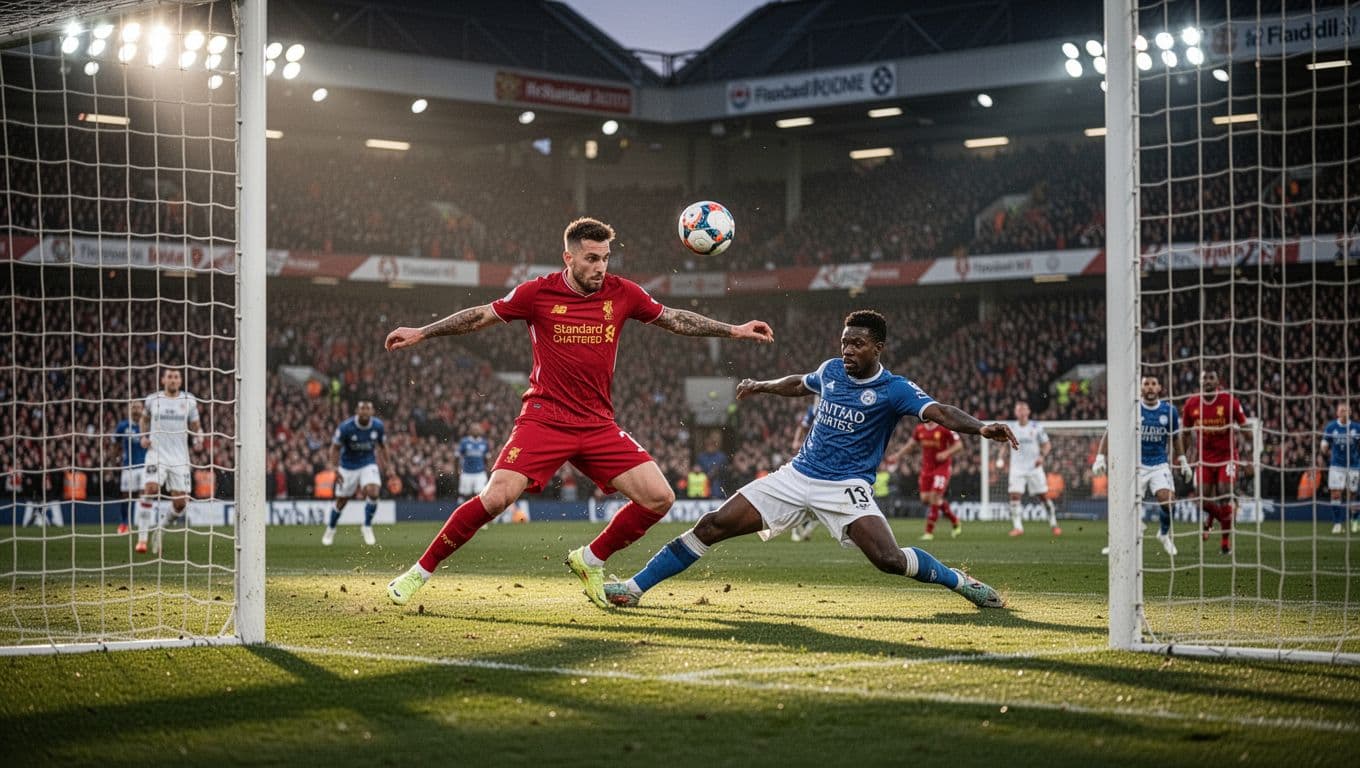
Lens cannot keep wasting clear openings in tight games. In Ligue 1, a match can hinge on one shot, one touch, or one mistake, so the final action has to be sharper. When the team gets into the box, the move needs to end with purpose, not hesitation.
That means cleaner first touches, quicker decisions, and better shot choice. Lens often do the hard part well, they build pressure, move the ball into space, and create the opening. The problem comes when the finish is rushed or too hopeful.
A more clinical attack would change the table fast. Even one extra goal in a narrow win can turn a mixed run into a strong one, especially against direct rivals. For Lens, that is the difference between looking competitive and actually climbing.
A few things need to improve:
- More calm in front of goal, especially when the first chance falls early.
- Better support around the box, so the striker is not isolated.
- Stronger shot selection, with fewer low-value attempts from bad angles.
- More cutbacks and quick combinations, because they create cleaner chances than hopeful crosses.
In tight matches, control matters, but the last touch matters more.
Lens do not need to score heavily every week. They just need to make sure their best moments count. That is how teams collect points in a long season.
Fewer defensive lapses in key moments
Lens also need to protect themselves better when the game turns tense. Too many points are lost in the final stages, when the line gets deeper, the clearances get rushed, and the spacing starts to drift. Those are the moments that punish a side trying to stay near the top half.
Staying compact has to be a habit, not a late reaction. The midfield has to stay close to the back line, the full-backs have to choose their moments, and the center-backs have to keep the box organized. If one player steps out too early, the whole shape can break apart.
Late-game management is just as important. Lens need to handle pressure without giving away cheap fouls, corners, or second balls. Those small errors often become the match-winner for the other team.
The main areas to tighten are clear:
- Stay narrow when protecting a lead, so opponents do not find easy gaps.
- Clear danger earlier, especially when the ball drops into the box.
- Cut out sloppy fouls near the area, because set pieces invite trouble.
- Hold focus in the last 15 minutes, when tired legs usually lead to poor choices.
The defense does not have to be perfect. It just has to be more reliable in the moments that decide points. If Lens reduce those late slips, the rest of the performance becomes easier to trust.
More consistency from week to week
Lens can look strong in one match and flat in the next, and that pattern is the real issue. A good run is useful, but a season is built on steady results. In Ligue 1, hot streaks fade quickly if they are not backed by regular points.
Consistency matters because it gives the team a base. When Lens know what version of themselves will show up, they can set the tone earlier and play with more confidence. When the level swings too much, every fixture becomes a guess.
That is why the focus has to stay on repeatable habits. The press, the passing rhythm, and the defensive shape should not change too much from one week to the next. If those basics hold, the results are more likely to follow.
Lens should aim for a simple pattern:
- Take points at home
- Avoid damage on the road
- Win the direct matches around them in the table
- Limit the dips after a strong result
That kind of steadiness is more valuable than one eye-catching stretch. Long seasons favor teams that stack acceptable results, because those are the sides that stay in the race when others wobble.
The next step for Lens is clear. They need sharper finishing, cleaner defending under pressure, and a more stable week-to-week level. If they improve in those three areas, the schedule stops looking like a test of survival and starts looking like a chance to push higher in the Ligue 1 standings.
Conclusion
The Jadwal RC Lens Ligue 1 2026 picture still has plenty of room to change. Lens have shown enough structure, enough attacking threat, and enough control in key stretches to stay in the conversation, but the recent results also make the limits clear. The schedule ahead will reward teams that handle pressure well, finish their chances, and protect leads without giving away cheap moments.
The main takeaway is simple, Lens are still in a live season, and the next few matches will shape how far they can go. Their stats point to a side that can compete, with useful possession spells, steady chance creation, and a defense that is strong at times but still too open in certain phases. That mix keeps the campaign balanced, which means every point matters more now.
If Lens tighten the details, the table can move in their favor fast. If they lose focus, the margin will disappear just as quickly. For now, the season is still open, and the next run of fixtures will tell the real story.
Jadwal pertandingan mendatang
Belum ada jadwal yang terdata. Cek kembali setelah sinkronisasi data berikutnya.
Hasil pertandingan terbaru
- Sab, 23 MeiLens3 – 1NiceCoupe de France
- Sen, 18 MeiOlympique Lyonnais0 – 4LensLigue 1
- Kam, 14 MeiLens0 – 2FC Santa ColomaLigue 1
- Sab, 9 MeiLens1 – 0NantesLigue 1
- Min, 3 MeiNice1 – 1LensLigue 1
- Sab, 25 AprBrest3 – 3LensLigue 1
- Rab, 22 AprLens4 – 1ToulouseCoupe de France
- Sab, 18 AprLens3 – 2ToulouseLigue 1
- Min, 5 AprLOSC Lille3 – 0LensLigue 1
- Sab, 21 MarLens5 – 1Angers SCOLigue 1