
Prancis vs Pantai Gading brings together two clear football identities, France with elite European depth and Ivory Coast with speed, power, and direct attacking talent. Their most recent meeting ended 2-1 to France on 26 March 2022, a result that showed how tight this matchup can be even when the talent gap looks small on paper.
With a friendly listed for 4 June 2026, interest is picking up again, especially for fans tracking star players, tactical balance, and the moments that can swing a game. The 2-1 France win over Ivory Coast still offers a useful reference point before the next chapter.
Hasil Pertandingan yang Jadi Sorotan
The meeting between France and Ivory Coast drew attention because the final score stayed tight from start to finish. France won 2-1 on 26 March 2022 in Marseille, but the margin never felt comfortable. That made the match worth a second look, especially for readers who care about how elite teams handle pressure.
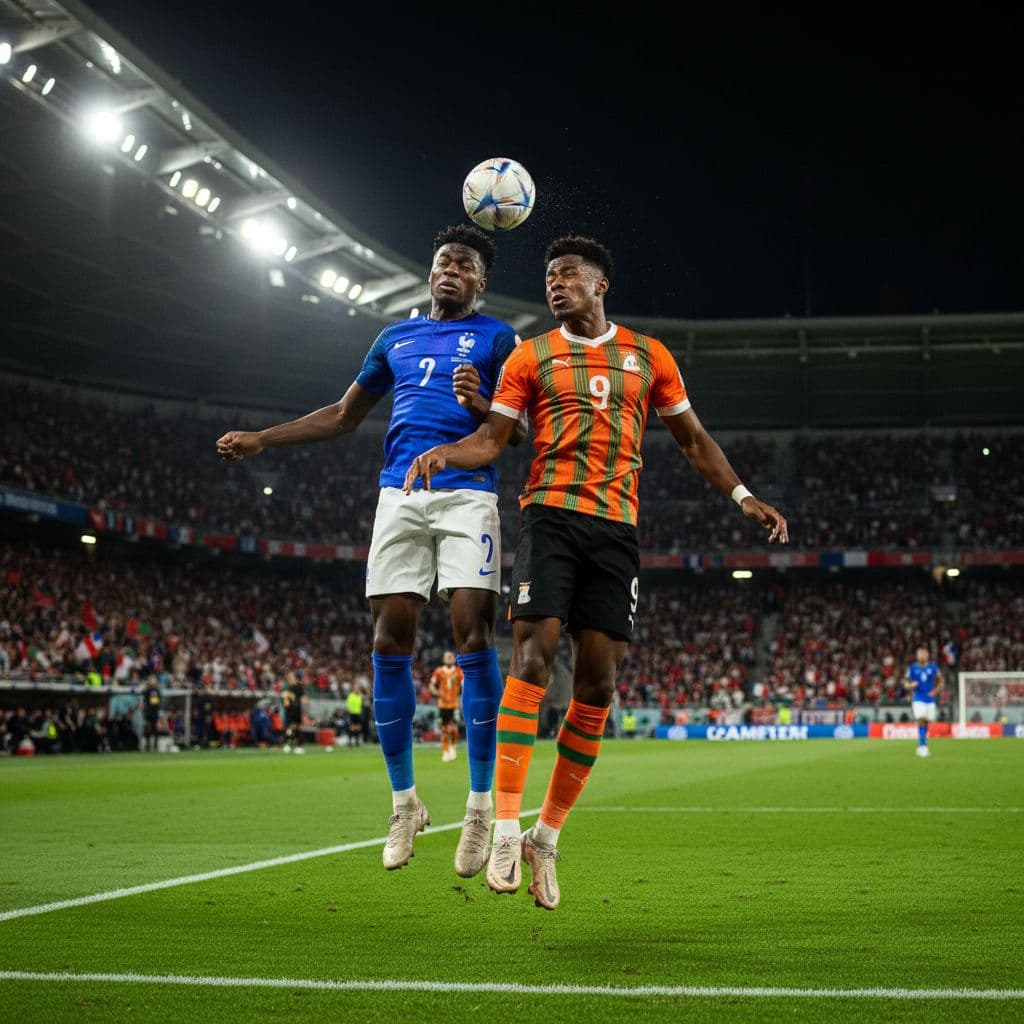
Prancis menang 2-1 atas Pantai Gading
France came out on top with a 2-1 win, and that result mattered because it showed control without comfort. The scoreline reflects a match where France had the quality to finish, but Ivory Coast kept pushing hard enough to keep the outcome in doubt.
That kind of result usually says more than a one-sided victory. France had to respond after falling behind, then find a way to close the game out under real pressure.
A few clear takeaways stood out:
- France found a way back after conceding first.
- The winning margin stayed thin, so the contest never lost tension.
- The result gave both sides useful reference points for squad depth and composure.
For France, the win added another example of a team that can absorb a scare and still finish the job. For Ivory Coast, the score showed they were competitive against a top European side, not just present.
Why the scoreline felt close
Pantai Gading never let the match drift away. They stayed organized, kept pressing at the right moments, and made France work for every opening. That balance made the game feel alive, even when France had more of the ball.
The underdog also carried real threat in attack. Each time France tried to settle the tempo, Ivory Coast answered with energy and direct play. As a result, the match kept its edge, and the pressure never fully disappeared.
A narrow scoreline often tells the real story, because it shows both teams had moments that mattered.
In a fixture like Prancis vs Pantai Gading, that kind of balance is the reason fans revisit the result. France won, but Ivory Coast made sure it was never a routine night.
Jalannya Laga dari Awal sampai Akhir
Prancis vs Pantai Gading unfolded like a match with two clear phases. The early exchanges were fast and open, then the tempo settled into a tighter contest where structure mattered more than flair. France tried to control the rhythm through patient possession, while Ivory Coast looked for direct runs and quick breaks whenever space appeared.

Fast start, then a more tactical battle
The first part of the match had real energy. Both sides pressed high, moved the ball quickly, and tried to test the other team before the shape of the game settled. That kind of opening often creates chaos, and this one did too, with chances arriving before either side fully took control.
France then shifted into a more controlled build-up. The midfield worked to slow the game, recycle possession, and draw Ivory Coast out of shape. Ivory Coast answered with a more direct route, using fast forward passes and early pressure to turn defense into attack in a few touches.
The contrast was clear:
- France wanted longer spells on the ball and cleaner passing lanes.
- Ivory Coast looked for quick vertical moves and space behind the line.
- The tempo moved between open spells and careful, compact phases.
That balance made the match feel like a chess game with sudden bursts of speed. Once both teams adjusted, every attack had to be earned.
Key momentum shifts that shaped the game
The match turned on several small but important swings. Ivory Coast created the first real shock by striking early, which forced France to change pace and chase the game sooner than expected. That goal gave the visitors confidence, because it confirmed their direct approach could hurt a top European side.
France responded with calm rather than panic. The equalizer arrived quickly, and that changed the feel of the game. From that point, France had more reason to settle into its passing patterns, while Ivory Coast had to choose between pressing harder or protecting space behind the midfield line.
The decisive moments came later, when France found better control in the final stretch. Set pieces and late pressure started to matter more, and that gave France the edge in the closing minutes. Ivory Coast still created tension, but the game slowly moved toward France's preferred rhythm.
The main turning points were easy to spot:
- Ivory Coast's early breakthrough, which set the tone.
- France's fast reply, which stopped the momentum from building.
- The late French push, which tilted the final minutes.
That sequence is why the match stayed tight until the end. France had the patience to wait for the opening, while Pantai Gading kept the pressure alive long enough to make every phase matter.
Pencetak Gol and the Players Who Changed the Game
The scoreboard told only part of the story in Prancis vs Pantai Gading. The match turned because a few attacking names changed the tempo, punished mistakes, and kept both defenses under pressure. France had more control in key moments, while Ivory Coast answered with direct runs and sharp movement in the final third.
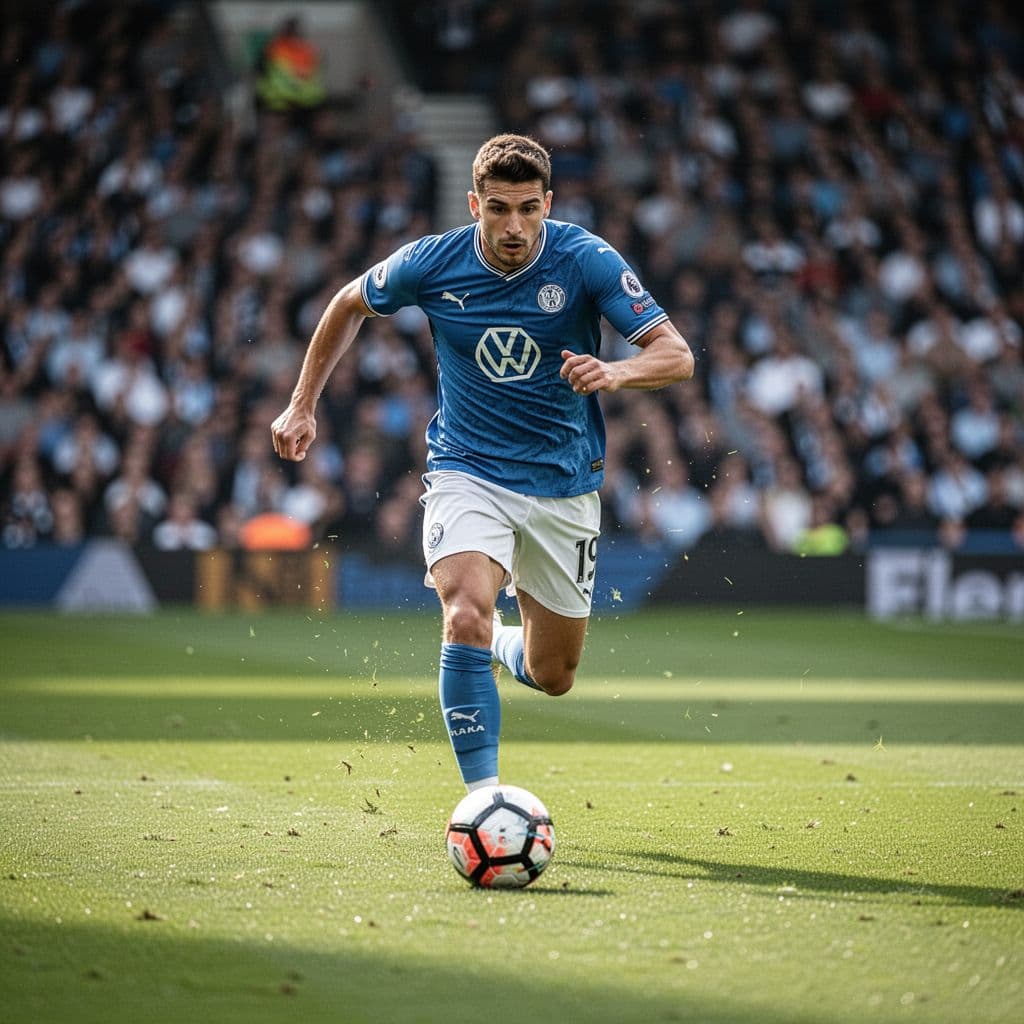
France's attacking stars who drew attention
France got a lift from players who moved well between the lines and attacked space with purpose. Olivier Giroud gave the team a clear target and finished the equalizer, while Théo Hernández supplied the cross that made the chance possible. That kind of link-up matters because it turns pressure into a real scoring path.
Antoine Griezmann also helped France stay calm in possession. He pulled defenders out of shape, kept the ball moving, and opened lanes for others. Meanwhile, Paul Pogba added control from deeper areas, which gave France more patience before the final pass.
What stood out most was the mix of speed and timing:
- Quick movement stretched Ivory Coast's back line.
- Clean finishing made France's best chances count.
- Smart support play kept attacks alive after the first pass.
France did not rely on one player alone. The attack worked because several players made the right run at the right time. That balance gave France an edge once the game opened up.
Ivory Coast's main threats in the final third
Ivory Coast stayed dangerous because their forwards played with power and direct intent. Nicolas Pépé was the clearest threat, and his early goal showed how fast the team could punish space. He attacked quickly, took his chance well, and forced France to react right away.
Sébastien Haller and Wilfried Zaha also gave Ivory Coast useful options in attack. They stretched the defense, held the ball under pressure, and created moments where France had to defend deeper than planned. In a game like this, that kind of threat keeps the opponent honest.
The wide areas mattered just as much as the central ones. Ivory Coast used the flanks to break lines and bring crosses into dangerous zones. Serge Aurier, Franck Kessié, and Seko Fofana helped the team stay compact enough to launch those attacks without losing shape.
Their attacking pattern had three clear strengths:
- Direct forward play that reached the box quickly.
- Wide support that created crossing chances.
- Resilience after setbacks, which kept them alive in the contest.
Ivory Coast did not need long spells of possession to cause trouble. They only needed a few clean breaks, and they got them. That is why the match stayed tense until the final whistle.
Statistics That Tell the Story on the Pitch
The numbers from Prancis vs Pantai Gading point to a clear match pattern, even when some exact team stats are hard to pin down from public sources. France had the cleaner technical base, while Ivory Coast made the game messy in the right places and kept the contest alive with strong defensive work.
The final score, France 2-1, fits that picture. France found more control in the key stretches, but Ivory Coast still forced long phases where every pass and every duel mattered.
Possession and control, where France usually had the edge
France's main advantage often starts with the ball. Their midfield structure usually gives them more control, cleaner passing, and a better base for moving the game into the attacking half.
That showed in the way France could settle after pressure. Instead of forcing every attack, the team could recycle possession, shift the ball wide, and wait for a gap. In matches like this, possession is not just about keeping the ball, it is about choosing when to speed up.
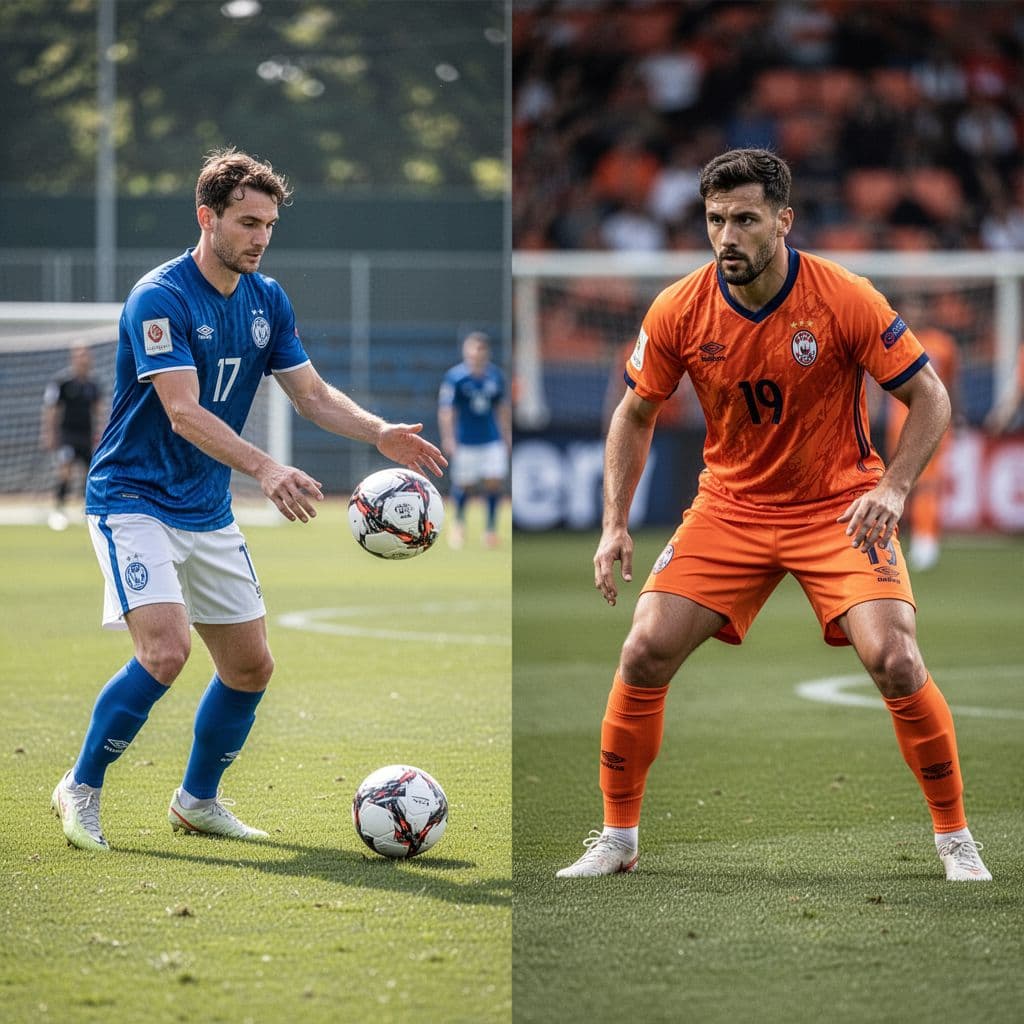
A few details explain why France often looks more settled in possession:
- Short passing chains help them avoid rushed clearances.
- Midfield support gives the ball carrier more options.
- Wide switches stretch a compact defense and open space.
Ivory Coast still made that control costly. Their pressure forced France to play with patience, and that slowed the rhythm at times. Even then, France usually found a cleaner next pass, which is often the difference in tight international games.
Shots, efficiency, and defensive discipline
Shot count alone never tells the full story. A team can fire from poor angles all night and still look active, while another team can create fewer chances and carry more danger. In this match, the better question is chance quality, not raw volume.
France made its better moments count. The equalizer and the winner came from attacks that had purpose, movement, and timing. That mattered more than stacking up low-value attempts from distance.
Ivory Coast's defensive shape also changed the match. The team stayed compact, worked hard without the ball, and forced France to look for new routes into the box. As a result, France's rhythm never became fully smooth, even when it had more control.
A disciplined defense can slow a favorite, but it also has to survive long enough to matter.
The match stats tell that same story in practical terms:
- France created the cleaner openings.
- Ivory Coast blocked space and delayed attacks.
- The game stayed close because defensive work kept the gap small.
That balance is why Prancis vs Pantai Gading felt competitive rather than one-sided. The numbers, even without every detail visible, point to a match shaped by control, efficiency, and a defense that refused to give France an easy night.
Analisis Duel: Bintang Eropa vs Talenta Afrika
Prancis vs Pantai Gading was always going to be a clash of styles as much as a clash of names. France brought structure, control, and depth, while Ivory Coast brought pace, power, and direct threat. That mix made the match tense, because one side wanted order and the other wanted space.
The key was never just individual quality. It was how each team used its best players inside its own system, and who handled the pressure better when the game opened up.
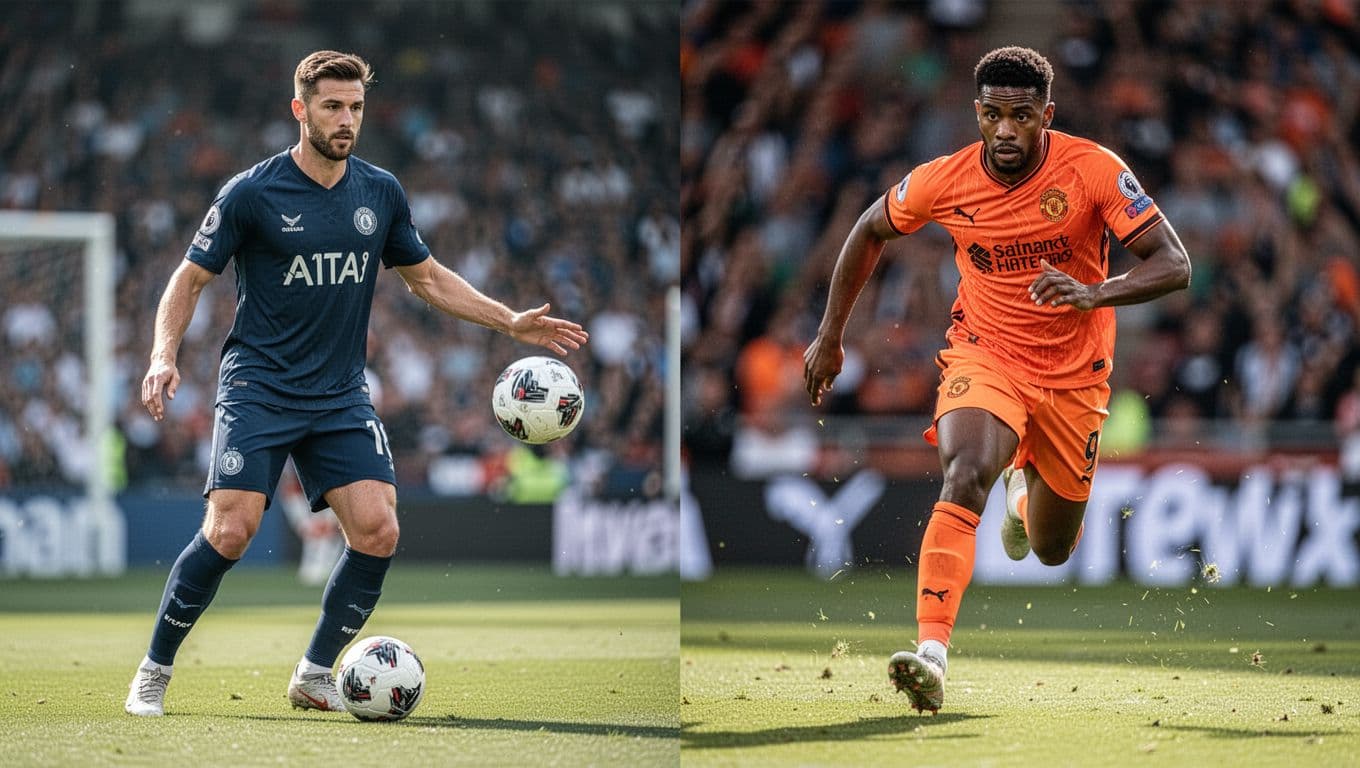
How France used structure and squad depth
France often won this kind of match through balance. The back line stayed compact, the midfield controlled tempo, and the bench gave the coach options when the game needed a new shape. That depth mattered, because France could change rhythm without losing control.
The midfield was the heart of that plan. With players like Griezmann, Pogba, and Tchouameni involved in the build-up, France could keep possession under pressure and still find forward passes when the moment opened. Defensive stability behind them also gave the attack room to take risks.
That setup helped France in three ways:
- It reduced chaos, which limited Ivory Coast's best transition moments.
- It kept the ball moving, so France could wait for better shooting lanes.
- It gave star attackers space, especially when the fullbacks pushed higher.
France did not need every move to be flashy. The system did the heavy lifting, and the top players had clear roles inside it. That is often how France beats teams with less structure but plenty of talent.
How Ivory Coast relied on pace, power, and flair
Ivory Coast answered with a very different style. The team played with speed in transition, strong duels in midfield, and brave attacking runs that made France defend with caution. When the space was there, they moved fast and went straight at goal.
That approach suits many top African sides, and Ivory Coast used it well. Nicolas Pépé brought sharp movement, Sébastien Haller offered a strong target in the box, and Franck Kessié gave the team power in midfield. Together, they made Ivory Coast dangerous every time France lost shape.
Their danger came from a few clear traits:
- Explosive pace in wide areas and on the break.
- Physical presence in midfield and near the penalty area.
- Direct attacking intent, which forced quick defensive reactions.
Those traits made Ivory Coast a threat against a bigger team. France could dominate the ball, but one loose touch or one slow recovery could still turn into a chance.
Which style created more problems
France's style looked more effective in this matchup, but only by a small margin. Ivory Coast created more fear with speed and direct attacks, yet France handled the pressure better because the shape stayed intact and the bench allowed fresh answers late in the game.
The biggest difference came in control. France could slow the match down, adjust the tempo, and keep attacking lanes open for longer. Ivory Coast looked most dangerous in short bursts, but those bursts needed space, and France did a better job of taking that space away after the early stages.
France also used its stars in a more complete way. The team let Griezmann connect play, Giroud finish moves, and deeper midfielders protect the structure. Ivory Coast had dangerous individual pieces, but France's collective balance gave it the edge when the match became tighter.
In short, Ivory Coast caused more trouble in moments, while France caused more trouble over the full match. That is why the European side came away with the stronger result, even in a contest that stayed competitive until the end.
Dampak to the National Team Before the Next Match
The result of Prancis vs Pantai Gading does more than fill a scoreline. It gives the national team staff a live test of shape, timing, and response under pressure. That matters most when the next fixture is close, because every friendly can shape selection, rhythm, and confidence.

Tactical lessons that carry into the next game
A friendly like this gives coaches a real picture of what works and what breaks down. France showed that controlled possession can still turn into danger when the timing is right, while Ivory Coast showed how direct attacks can punish small gaps. That mix is useful because the next opponent will likely try to copy parts of both approaches.
The staff can take several clear lessons from the match:
- Build-up play needs balance because safe passing alone does not create chances.
- Transition defense must stay sharp when the team loses the ball in midfield.
- Wide defenders need support when the opponent attacks quickly down the flanks.
- Set-piece focus matters because tight international matches often turn on dead-ball moments.
For France, the main takeaway is control without slowing the attack too much. For Ivory Coast, the lesson is that pace and direct play can threaten top sides, but the final pass must stay clean. Those details are often the difference between a good performance and a result that holds up in the next match.
Player evaluation becomes more precise
Friendlies also help coaches sort out who is ready for the next challenge. A striker may score, but the staff also watches movement, pressing, and link-up play. A midfielder may complete many passes, yet still struggle when the tempo rises. That is why these games matter beyond the final score.
The match gives the coaching staff a clearer read on several areas:
- Form of the starters, especially those expected to carry the next match.
- Depth options, because one strong substitute can change the plan.
- Physical condition, since recovery time after a hard game is limited.
- Mental response, which shows how players react after conceding or falling behind.
That evaluation is especially valuable for France, where squad depth is usually a strength. It also matters for Ivory Coast, where standout performances can strengthen a player's case for a bigger role. In both camps, one solid outing can shift the pecking order.
Confidence, chemistry, and the tone of the squad
Results like this shape the mood inside the camp. A comeback win gives France a calm edge, because players leave the pitch knowing they can solve problems during a match. Ivory Coast, even in defeat, can still build confidence if the team created chances and stayed competitive until the end.
Chemistry also improves when the same players handle pressure together. The more often a back line faces difficult transitions, the better it reads danger. The same is true in attack, where timing between the winger, fullback, and striker becomes sharper with each game.
That is why Prancis vs Pantai Gading matters beyond the headline result. It shows which players fit the system, which patterns need work, and which parts of the team can hold up when the next match starts at a higher pace.
Conclusion
Prancis vs Pantai Gading shows why this matchup draws attention every time it appears on the schedule. France brings elite European quality, while Pantai Gading brings strong African talent, pace, and a clear fighting spirit.
The most telling moments come from the stars, the team shape, and the way both sides handle pressure in a tight game. That mix keeps the contest balanced and gives it real value for fans who follow player form and tactical detail.
It is a meeting of two football cultures on the same stage, and that is what makes it worth watching again.